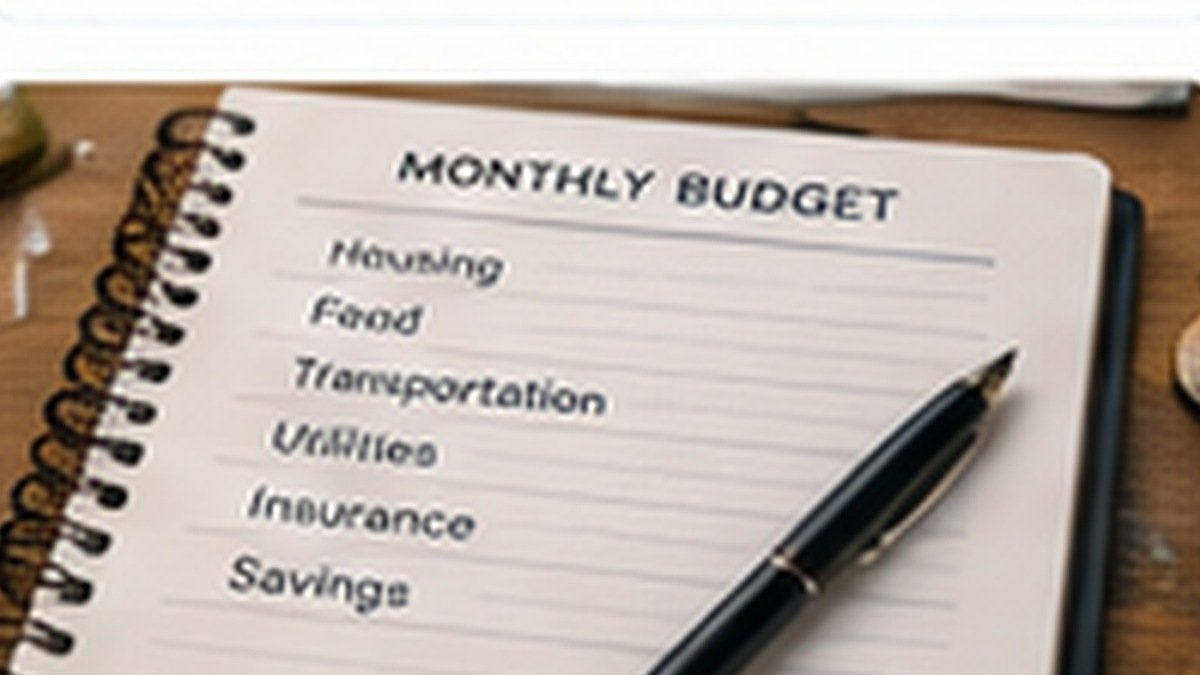
This practical Canada-focused guide explains how to think about needs, wants, savings and debt goals without relying on a single national number that may not fit your situation.
What to Include
Start with needs, wants, savings and debt goals. Use recent bills, pay information or local quotes whenever possible so the estimate reflects your household rather than an abstract average.
Build a Realistic Estimate
A useful household budget starts with actual income and spending, then includes savings and irregular expenses. Review the plan when major costs or income change.
Separate fixed costs from variable and irregular costs. Converting annual expenses into monthly averages can make comparisons easier.
Why Your Result May Be Different
Province, city, household size, work schedule, lifestyle and personal obligations can materially change the result. Revisit your assumptions instead of treating one rule of thumb as a fixed limit.
Frequently Asked Questions
Should I use a Canadian average?
An average can provide context, but your actual local costs and household circumstances are more useful for planning.
How often should I update the estimate?
Review it when income, housing, transportation or another major recurring cost changes.
General informational and budgeting content only. It is not individualized financial, tax or legal advice.
This information is general and may change. Check the linked official source for rules that apply to your situation.